



Top Tools for Frontend Developers

6 minutes read
As a dedicated team member at Nanocodes and Techverve, we have seen firsthand how the world of frontend development evolves rapidly. In 2025, frontend developers are tasked with creating seamless, interactive user experiences that perform well across devices. Whether you are a beginner or a seasoned professional, staying updated with the right tools is crucial for efficiency and innovation. In this blog post, I will explore some of the top tools for frontend developers this year. I will also explain how our courses at Nanocodes and Techverve can empower you to master these tools and advance your career.
Why Frontend Tools Matter in 2025
Frontend development has shifted toward AI integration, performance optimization, and user-centric design but first you need to know who a frontend developer is and we suggest you go through this article, Who’s a Frontend Developer?. Tools now emphasize speed, collaboration, and accessibility. According to recent insights, technologies like AI-powered assistants and modern frameworks dominate the landscape. With the rise of progressive web apps and WebAssembly, developers need versatile tools to build high-performance applications.07e63f Let us dive into the top tools that every frontend developer should consider.
Top Tools for Frontend Developers
Here is a curated list of essential tools based on current trends and expert recommendations. These selections draw from popular resources and focus on productivity, creativity, and reliability.
1. Visual Studio Code (VS Code)
VS Code remains the go-to code editor for frontend developers. It offers extensions for everything from syntax highlighting to integrated terminals. In 2025, its AI extensions like GitHub Copilot make coding faster by suggesting code snippets in real time. This tool is free, lightweight, and supports languages like HTML, CSS, JavaScript, and TypeScript seamlessly.
2. Git and GitHub
Version control is non-negotiable, and Git excels at tracking changes in code. Paired with GitHub, it enables collaboration through pull requests and repositories. For frontend projects, it helps manage team workflows and deploy sites via GitHub Pages. Many developers in 2025 use it for open-source contributions and CI/CD pipelines.
3. npm and Yarn
Package managers like npm and Yarn simplify dependency management. They allow you to install libraries such as React or Tailwind CSS with a single command. In recent years, Yarn has gained traction for its speed and security features, making it ideal for large-scale frontend projects.
4. Vite
As a modern build tool, Vite has overtaken Webpack in popularity for its lightning-fast development server. It supports hot module replacement and works well with frameworks like React and Vue. In 2025, Vite is praised for reducing build times in complex apps.
5. Tailwind CSS
This utility-first CSS framework speeds up styling by providing pre-built classes. It eliminates the need for custom CSS in many cases, promoting rapid prototyping. Developers love it for responsive designs and integration with tools like React. It is one of the most used CSS tools this year.
6. React.js
React continues to lead as a JavaScript library for building user interfaces. Its component-based architecture and ecosystem, including hooks and state management with Redux, make it versatile. In 2025, enhancements like concurrent mode improve performance for interactive apps.
7. Figma
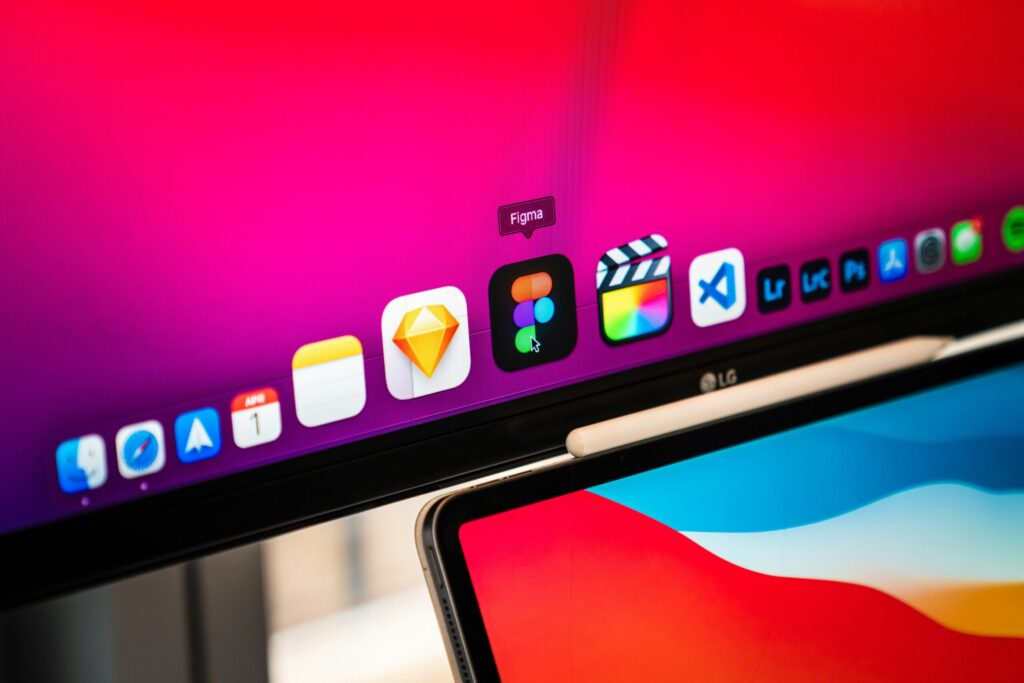
For design and prototyping, Figma stands out with its collaborative features. Front-end developers use it to translate UI/UX designs into code. Real-time editing and plugins for exporting assets make it indispensable for teams.
8. GitHub Copilot and Cursor AI
AI tools are transforming frontend work. GitHub Copilot autocompletes code, while Cursor AI offers an IDE with natural language prompts. These reduce boilerplate and help debug issues quickly. Surveys show AI adoption is high among top developers in 2025.
9. Chrome DevTools
Built into Google Chrome, this suite helps inspect elements, debug JavaScript, and analyze performance. Features like Lighthouse audits ensure sites meet modern standards for speed and accessibility. It is a daily essential for troubleshooting.
10. Svelte
As a rising framework, Svelte compiles components to efficient vanilla JavaScript. It offers less overhead than React, making apps lighter and faster. In 2025, it is favored for its simplicity in building reactive UI’s.
11. Jest and Cypress
Testing tools like Jest for unit tests and Cypress for end-to-end testing ensure code reliability. They integrate with CI/CD and catch bugs early. With the focus on quality in 2025, these are must-haves for professional workflows.
12. WebAssembly (Wasm)
For high-performance needs, WebAssembly allows running code from languages like Rust in the browser. It boosts frontend apps with heavy computations, such as games or editors. Adoption is growing for complex applications.
These tools represent a mix of classics and emerging technologies. Mastering them can elevate your projects, but learning curves vary.
How Nanocodes and Techverve Can Help
At Nanocodes and Techverve, we specialize in accessible tech education, particularly for frontend development. Our platforms offer structured courses that align perfectly with the tools mentioned above. Whether you are starting out or upskilling, we provide the resources to succeed and help boost your salary as indicated here, Frontend Developer Salary in Nigeria.
Nanocodes focuses on practical programming courses, including Frontend Web Development. You can learn HTML, CSS, JavaScript, and frameworks like React through hands-on projects. Our curriculum integrates tools like VS Code, Git, and Tailwind CSS from day one.23a35a We emphasize real-world applications, such as building responsive sites with Vite and testing with Jest.
Techverve complements this with a community-driven approach. We offer certificates like the Hero Certificate, designed for beginners to gain essential tech skills in a supportive environment. Courses cover lucrative skills including JavaScript and React, which directly relate to frontend tools. Our mentorship program connects you with experienced developers via audio calls and online videos for personalized guidance. This is ideal for mastering AI tools like Copilot or debugging with Chrome DevTools.
What sets us apart is our flexibility. Courses are online, with no physical classes required, and durations adapt to your pace based on factors like commitment and prior knowledge. Upon completion, you earn verifiable certificates that boost your resume. Our community forum discusses topics like earning certificates and interacting with mentors, fostering a network for ongoing support.
For example, if you want to dive into Svelte or WebAssembly, our advanced modules provide step-by-step tutorials. We also have a referral program where you can earn passive income while learning, making education rewarding.d15a9e Many students have transitioned to thriving careers by combining our courses with tools like Figma for design-to-code workflows.
Enrolling is straightforward. Visit nanocodes.com.ng for course listings or community.mytechverve.com for certificate details and mentorship sign-ups. We are committed to making tech accessible, unique in our blend of affordability, mentorship, and community.
Front-end development in 2025 is exciting, with tools that streamline creation and innovation. From VS Code to AI assistants, these resources empower developers to build the future of the web. At Nanocodes and Techverve, we are here to guide you every step of the way through expert courses, certifications, and mentorship. Start your journey today and transform your skills into a successful career. If you have questions, reach out to our community. We look forward to helping you succeed.
Related Post


Leave a Comment