





The Exciting Career Path of a Front-End Developer: 3 Key Stages of Growth.

7 minutes read

Every time you tap a button, scroll through a page, or admire how clean and responsive a website or app looks, you’re experiencing the work of a front-end developer. They’re the creative builders who turn static designs by a UI/UX designer into interactive, user-friendly experiences.
Whether it’s an e-commerce site, a blog, just like the one you are reading now, or your favorite app, frontend developers make sure everything looks good and works smoothly. And no, it’s not rocket science.
Becoming a front-end developer is a learnable, step-by-step journey. You begin with the basics, grow your skills, build real-world projects, and evolve with the ever-changing tech landscape.
So, if you’ve ever been curious about how websites come to life, don’t worry; I’ll walk you through what this career path really looks like, from first lines of code to expert-level impact. Let’s go!
Starting: The Beginner Stage
Initially, you only need curiosity and a willingness to learn. Beginners usually focus on three main building blocks: HTML, CSS, and JavaScript. HTML gives structure to a web page.
CSS makes it look nice with colors, fonts, and layouts. JavaScript adds interactivity, allowing buttons to react and pages to change without reloading.
Many beginners learn these basics through free tutorials, YouTube videos, or online platforms like freeCodeCamp. Some go to coding bootcamps for faster results.
At this stage, you build simple projects like a personal webpage, a to-do list app, or a basic landing page. The goal is not perfection but practice.
Once these building blocks feel familiar, the next step is to expand your toolbox and start building more complex, real-world applications.
Moving Forward: The Intermediate Stage
After the basics, you start using tools and libraries that make your work faster and cleaner. Frameworks like React, Vue, or Angular help you build complex applications without writing everything from scratch.
You also learn about version control tools like Git and GitHub to manage your code. This is the point where you start thinking like a real developer.
You care about clean code, responsive design (so sites work on phones and computers), and user experience. You may start contributing to open-source projects or freelancing for small clients.
Every project you finish becomes part of your portfolio. With these experiences under your belt, the path opens up toward leadership and deeper technical expertise.
Climbing Higher: The Senior Level
Senior frontend developers and the CTO (Chief Technology Officer) do more than just code. They plan project structures, mentor juniors, and make key decisions about which tools and frameworks to use.
They understand performance optimization, accessibility, and testing. Seniors also know how to communicate with backend developers, designers, and product managers to deliver seamless products.
Reaching this level takes time, often 3 to 7 years of real-world practice. It is less about how many languages you know and more about how well you solve problems, write maintainable code, and lead others.
So, what does it take to grow from beginner to senior? It starts with mastering the right set of skills.
Key Skills Every Frontend Developer Needs
- HTML: The foundation of any web page.
- CSS: Styling pages to look good across devices.
- JavaScript: Adding interactivity and dynamic behavior.
- Frameworks and Libraries: React, Vue, or Angular for building modern apps.
- Version Control: Git for tracking changes and working with teams.
- Responsive Design: Making websites look good on all screen sizes.
- Testing: Ensuring your code works as expected before release.
- Soft Skills: Communication, problem-solving, and teamwork.
Having these skills is one thing, but using them effectively depends on the tools a person chooses to work with every day.
Tools of a Frontend Developer
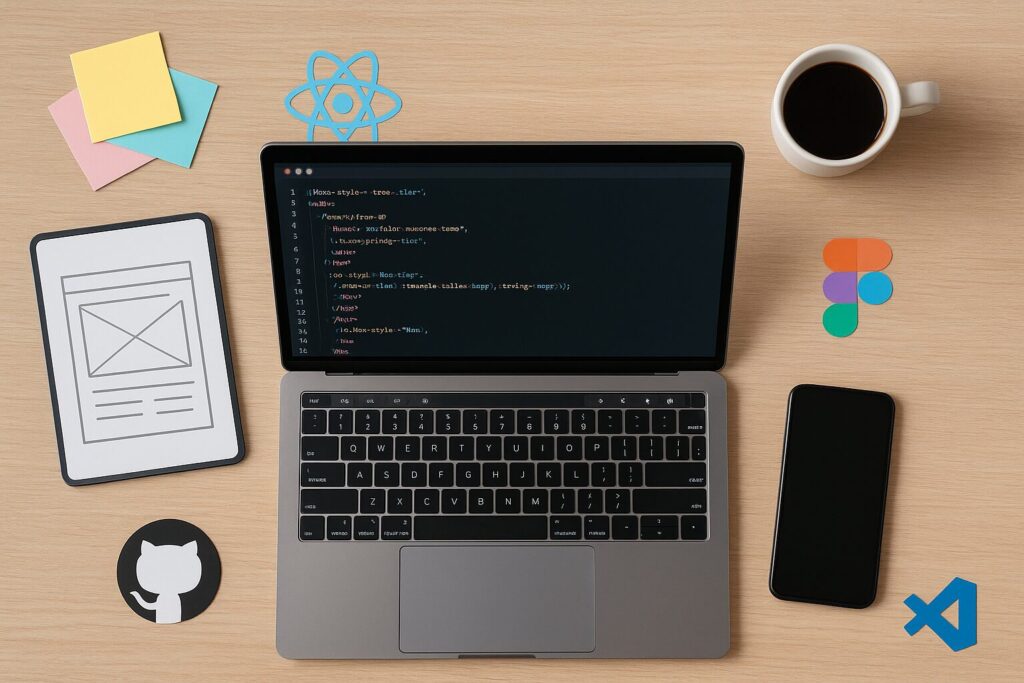
Frontend developers use many tools to make their work easier. Code editors like Visual Studio Code are the most common. Browser developer tools help debug issues on live pages.
Package managers like npm or yarn manage dependencies. Design collaboration tools like Figma or Sketch let developers work closely with designers. Task runners and build tools like Webpack or Vite make projects faster and smoother.
Even with great tools, the road is not always smooth. Frontend development comes with its fair share of obstacles.
Common Challenges in Frontend Development
One of the biggest challenges is keeping up with change. New frameworks and tools appear almost every year.
Another challenge is making websites work across all browsers and devices, which can be tricky. Debugging can also be frustrating, especially when a small bug breaks an entire feature.
Many developers face imposter syndrome at first, feeling they are not good enough. The truth is, even experts still learn every day.
How you choose to learn and overcome these challenges will depend on your approach to education.
Formal Education vs. Self-Taught: Which Works Best?
There is no single path to become a frontend developer. Some people study computer science at university. It definitely gives a solid foundation but takes time and money.
Others teach themselves through online courses, bootcamps, or practice. Many successful developers never got a formal degree; they proved their skills with projects and persistence.
If you can afford school and want a broader tech background, a degree helps. If you want to start working faster, self-learning and bootcamps can be just as effective.
But whichever route you choose, you will need one thing that employers always ask for: a strong portfolio.
Building a Strong Portfolio
Your portfolio is your ticket to a job. It shows employers or clients what you can do. Include real projects, even if they are small.
Make sure each one looks polished and explains what you built. A portfolio site itself is often a project; treat it like a product you are proud to show.
Add links to your GitHub and any live projects. If you have written blog posts or tutorials, include them too. They show your ability to communicate and share knowledge.
With a portfolio ready, it becomes easier to explore the many opportunities available to frontend developers.
Job Opportunities for Frontend Developers
Frontend developers work in many places. You can join a company as a junior developer, work in a startup, or freelance for different clients.
Some developers move into UX/UI design because they already work closely with designers. Others become full-stack developers by learning backend skills.
Salaries vary depending on location and experience. Juniors may start modestly, but seniors and specialists in high-demand frameworks often earn very well.
To keep moving forward, you need a strategy for growth beyond your first job.
Tips for Growth
- Keep learning. Technology changes fast.
- Practice by building real projects, not just following tutorials.
- Read other developers’ code on GitHub.
- Join communities on Twitter, Reddit, or Discord to learn and share.
- Learn how to debug; it is a key skill for solving tough problems.
- Ask for feedback and be open to critique.
Following these tips will not only help you grow but also prepare you for where frontend development is heading.
Future Trends in Frontend Development
Front-end development is moving toward faster, more interactive web apps. Frameworks like Next.js and Node.js are making server-side rendering easier.
Tools are focusing on performance and user privacy. AI is starting to help with code generation and testing, but developers will still need strong fundamentals.
Progressive Web Apps (PWAs) will keep growing, making websites feel like real mobile apps. So, if you are just starting your journey, now is the perfect time to take that first step.
Conclusion
Becoming a frontend developer often starts with the basics: learning HTML, CSS, and JavaScript. These skills create the foundation needed before stepping into advanced tools like Git and frameworks such as React or Vue.
As these skills grow, responsibilities naturally expand, from writing code to planning projects, optimizing performance, and mentoring others.
Technical expertise alone is rarely enough, so soft skills and a well-curated portfolio become essential in showcasing real-world impact. This blend of abilities opens doors in different work environments, from fast-paced startups to large technology firms, while leaving room to shift into UI/UX or full-stack roles when needed.
Growth in this field thrives on continuous learning. This means staying current with new frameworks, exploring emerging AI-driven tools, and contributing to projects or developer communities.
It is this steady cycle of learning and applying that keeps frontend development relevant and forward-moving. So, if you are thinking about becoming a frontend developer, you’ve made a great choice. Start it today!




Leave a Comment