




The Complete Roadmap to Become a Mobile App Developer + 8 Essential Skills to Master

10 minutes read
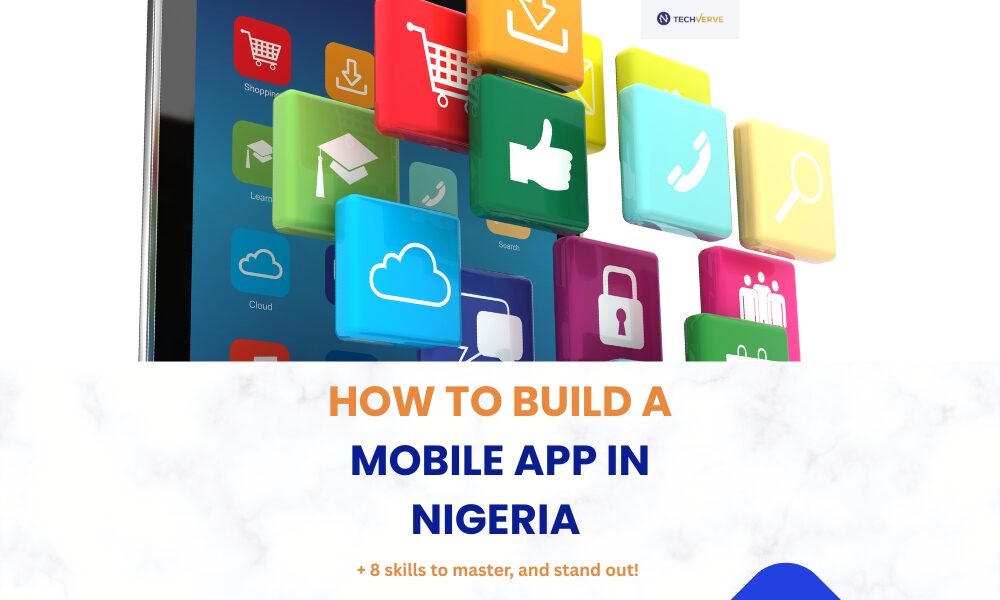
Have you ever used an app like OPay, Kuda, or PiggyVest and thought, “I wish I could build something like this”? Or maybe you’ve downloaded a foreign app that does not quite work for Nigerian users and wondered, “Why can’t we have better apps designed for us?
There is an exciting truth I want to share with you. The truth is: You can become the person who builds those apps. Mobile app development is not just for computer science graduates or people with decades of experience in tech. It is for anyone willing to learn systematically, practice consistently, and understand what Nigerian users actually need.
The mobile app development industry in Nigeria is exploding. From Fintech apps processing billions of naira in transactions to delivery apps connecting millions of users, from educational platforms teaching local languages to entertainment apps showcasing Nigerian content. There has never been a better time to become a mobile app developer in Nigeria
This comprehensive guide will take you from complete beginner to a job-ready mobile app developer. We will cover everything from choosing your development path to building your first app, from understanding the Nigerian market to landing your first role or client. Whether you want to work for companies like Flutterwave and Interswitch or build your own start-up, this roadmap will get you there.
Understanding Mobile App Developer industry: Native vs Cross-Platform Vs Web Apps
Before diving into learning, you need to understand the different approaches to mobile app development and choose the right path for your goals.
Native development means building separate apps for iOS (using Swift/Objective-C) and Android (using Java/Kotlin). Native apps offer the best performance and access to all device features, but require learning different technologies for each platform. In Nigeria, where Android dominates the market, many developers start with Android development.
Cross-platform development lets you build one app that runs on both iOS and Android using frameworks like React Native, Flutter, or Xamarin. This approach is incredibly popular in Nigeria because it is cost-effective for start-ups and allows faster development cycles.
Progressive Web Apps (PWAs) use web technologies to create app-like experiences that work across all devices. They are particularly relevant in Nigeria where data costs and device storage are considerations for many users.
Which should you choose? If you are starting out in Nigeria, Flutter or React Native are excellent choices because they let you serve the entire mobile market with one codebase while the demand for these skills is growing rapidly among Nigerian companies.
The Nigerian Mobile App Market: Understanding The Nigerian Market
Nigeria’s mobile app market is unique, and understanding it is crucial for success as a developer.
Android dominates with over 85% market share, primarily due to device affordability. This means Android development skill are highly valued, but don’t ignore iOS completely—Nigeria’s growing middle class increasingly uses iPhones.
Data consciousness affects app design. Nigerian users are sensitive to data usage, so apps that work efficiently on slow networks and consume less data are preferred. This creates opportunities for developers who understand optimization.
Payment integration is crucial but complex. Understanding how to integrate with Nigerian payment processors like Paystack, Flutterwave, and Interswitch can significantly increase your value to employers and clients.
Offline functionality matters because internet connectivity is not always reliable. Apps that work offline or sync when connectivity returns are highly valued.
Local language support creates differentiation. Apps supporting Nigerian languages like Yoruba, Igbo, and Hausa often outperform English-only alternatives in specific markets.
Understanding these market realities will make you a more valuable developer than someone who only knows the technical aspects.
Choosing Your Development Path: Flutter, React Native, or Native
Let us break down the most popular development paths and help you choose the right one:
Flutter (Google’s framework using Dart) is gaining massive traction in Nigeria. More companies now use Flutter, and it is becoming the preferred choice for many Nigerian startups. Flutter offers excellent performance, beautiful UIs, and Google’s backing ensures long-term viability. The learning curve is moderate, and Dart is easy to pick up.
React Native (Facebook’s framework using JavaScript) is mature and widely adopted. If you already know JavaScript from web development, React Native is a natural progression. Many Nigerian companies use React Native, and the job market is strong. The ecosystem is vast, but iOS development can be tricky without a Mac.
Native Android (Java/Kotlin) gives you complete control and access to all Android features. Since Android dominates Nigeria, native Android development is always in demand. However, you are limited to one platform, which might limit opportunities compared to cross-platform skills.
Native iOS (Swift) is less common in Nigeria but commands premium salaries when needed. If you can afford a Mac and want to target Nigeria’s growing iPhone user base, iOS development can be lucrative.
For beginners, we recommend starting with Flutter or React Native because they offer the best balance of learning curve, market demand, and earning potential in Nigeria.
8 Essential Skills and Technologies to Master
Technical skills form the foundation, but successful mobile app developers need more than just coding ability.
1. Programming fundamentals are non-negotiable. You need to understand variables, functions, loops, conditionals, and object-oriented programming concepts regardless of your chosen platform.
2. UI/UX understanding is crucial because mobile apps are primarily visual and interactive. You don’t need to be a designer, but understanding user interface principles, navigation patterns, and user experience basics will make your apps significantly better.
3. API integration is essential since most mobile apps communicate with servers. Understanding REST APIs, JSON handling, and asynchronous programming is mandatory for professional mobile development.
4. Database knowledge for local data storage using SQLite, Realm, or platform-specific solutions ensures your apps work offline and provide smooth user experiences.
5. Version control with Git is required for any professional development work. You’ll collaborate with other developers and need to manage your code changes effectively.
6. Testing principles including unit testing, integration testing, and user interface testing separate professional developers from hobbyists.
7. App store optimization and understanding of Google Play Store and Apple App Store requirements, guidelines, and publication processes are essential for getting your apps to users.
8. Performance optimization skills help you build apps that work well on various devices, especially important in Nigeria where users often have older or less powerful phones.
Building Your First Mobile App: A Step-by-Step Approach
Your first app should be simple but functional, demonstrating core mobile development concepts.
Choose a simple but useful concept like a to-do list, calculator, or basic expense tracker. Avoid complex ideas for your first project—focus on implementing core features well rather than building everything at once.
Plan before coding by sketching your app screens, identifying required features, and breaking the project into small, manageable tasks. This planning phase prevents overwhelming yourself and ensures steady progress.
Set up your development environment properly from the beginning. This includes installing the necessary SDKs, configuring emulators or getting test devices, and setting up debugging tools.
Start with static layouts before adding functionality. Build your app screens without data or interactions first, then gradually add features. This approach helps you understand the framework without overwhelming complexity.
Implement core features one by one rather than trying to build everything simultaneously. Add data storage, then user input handling, then API integration if needed.
Test frequently on different devices and screen sizes. Mobile apps need to work across various devices, and testing early prevents major revisions later.
Polish the user experience with proper error handling, loading states, and intuitive navigation. These details separate amateur projects from professional-quality apps.
Understanding App Store Requirements and Publishing
Building an app is only half the battle. Getting it to users requires understanding app store requirements.
Google Play Store requirements include content policies, technical requirements, and monetization guidelines. Understanding these prevents rejections and ensures smooth publishing.
Apple App Store guidelines are stricter and more detailed. If you are building for iOS, understanding these guidelines early prevents frustrating rejections after development.
App signing and security requirements ensure your apps are secure and traceable. Both platforms require proper app signing for distribution.
Privacy policies and data handling requirements are increasingly strict. Understanding what user data you collect and how to handle it legally is crucial for app approval.
App store optimization (ASO) helps users discover your apps through better titles, descriptions, screenshots, and keywords. This skill is valuable whether you’re building your own apps or working for companies.
.
Landing Your First Mobile App Development Job
The job market for mobile developers in Nigeria is strong, but competition requires strategic positioning.
Entry-level opportunities exist at start-ups, digital agencies, and tech companies building mobile products. Salaries typically range from ₦250,000 to ₦450,000 monthly for junior developers with strong portfolios.
Internship programs at companies like Flutterwave, Paystack, and Andela provide excellent entry points with structured learning and mentorship opportunities.
Freelance opportunities through platforms like Upwork, Fiverr, and local networks can provide income while building experience. Many Nigerian developers start with freelancing before transitioning to full-time roles.
Remote work opportunities with international companies are increasingly accessible for skilled Nigerian mobile developers, offering significantly higher compensation.
Networking within Nigeria’s tech community through events, meetups, and online communities often leads to opportunities not advertised publicly.
Job application strategy should emphasize your portfolio, demonstrate understanding of Nigerian market needs, and show enthusiasm for continuous learning.
Steps for Continuous Learning and Career Growth
Mobile development evolves rapidly, making continuous learning essential for career growth.
Stay current with platform updates as both iOS and Android regularly introduce new features, requirements, and best practices.
Learn complementary skills like backend development, UI/UX design, or project management to increase your value and career options.
Contribute to open source projects to improve your skills, build your reputation, and network with other developers globally.
Attend conferences and meetups both locally and online to stay current with industry trends and connect with other professionals.
Specialize in high-demand areas like AR/VR, machine learning integration, or specific industries like fintech or healthcare.
The Techverve Advantage in Mobile App Development
While many people learn mobile development through various channels, structured learning with mentorship accelerates career growth significantly. At Techverve, you enjoy:
1. Comprehensive curriculum covering both technical skills and Nigerian market understanding that ensures that you are prepared for real-world opportunities.
2. Hands-on projects that simulate actual client work provide portfolio pieces that demonstrate professional capability.
3. Lifetime mentorship provides ongoing guidance as technologies evolve and career opportunities arise.
4. Industry connections through Techverve’s network provide access to job opportunities and freelance projects.
Both online and physical learning options accommodate different learning styles and schedules while ensuring comprehensive skill development.
Mobile app development offers one of the most exciting and financially rewarding career paths in Nigeria’s growing tech ecosystem. The demand for skilled developers continues to grow as more businesses and entrepreneurs recognize the importance of mobile apps for reaching Nigerian consumers.
The opportunity is real, the market is growing, and the tools and resources for learning are more accessible than ever. The question is not whether you can become a successful mobile app developer. It is whether you are ready to start the journey and commit to the learning process.
Your first app might be simple, but every expert developer started with their first “Hello World” app. Take that first step, stay consistent with your learning, and keep building. The Nigerian mobile app market needs more developers who understand local needs and can build solutions that work for our unique context.
The time to start is now. Your future users are waiting for the apps you’re going to build. Register on Techverve to get started



Leave a Comment