





The Future of UI/UX in Nigeria: Designing Tomorrow

5 minutes read

Do you remember how quickly and smoothly you log into your banking app to pay a bill? In a split second, it is done. Everything is clear, simple, and stress-free.
Now, think about another app where you try to do the same thing, but it freezes, hides the payment button, and leaves you frustrated. Would you want to use that app again? Probably not.
Often, it all comes down to one thing: good or bad UI/UX design. In Nigeria, UI/UX is not just a fancy add-on for tech products.
It is the backbone of how businesses attract, serve, and retain their customers. From fintech to healthtech, the need for seamless, user-friendly interfaces is only growing.
So, what does the future hold for this exciting field, and why should it matter to you? Let’s find out below.
The Future of UI/UX Design in Nigeria
The demand for skilled UI/UX designers in Nigeria is rising fast. More companies are realizing that a great design is no longer a luxury; it is a must-have to stay competitive.
Whether it is a startup launching its first app or a big bank revamping its platform, user experience now drives decisions. A booming digital economy fuels this growth.
As more Nigerians shop online, bank digitally, and utilize mobile services, the demand for intuitive and visually appealing interfaces continues to grow. The question here is no longer if UI/UX will thrive; the real concern is how fast it will grow.
Industries That Are Leading the Charge
Not every industry is moving at the same pace, but a few are clearly leading the way. Fintech is at the forefront, with e-commerce, healthtech, and edtech quickly following behind.
From payment apps and digital banks to online stores and telemedicine platforms, these sectors rely heavily on seamless, user-friendly design.
Imagine a farmer in Kaduna using a mobile wallet to sell their produce or a parent in Lagos booking a doctor’s appointment with just a few taps.
These everyday experiences feel simple on the surface, but they’re made possible by UI/UX designers who carefully shaped what happens behind the screen.
The Forces Powering the Future of UI/UX Design In Nigeria
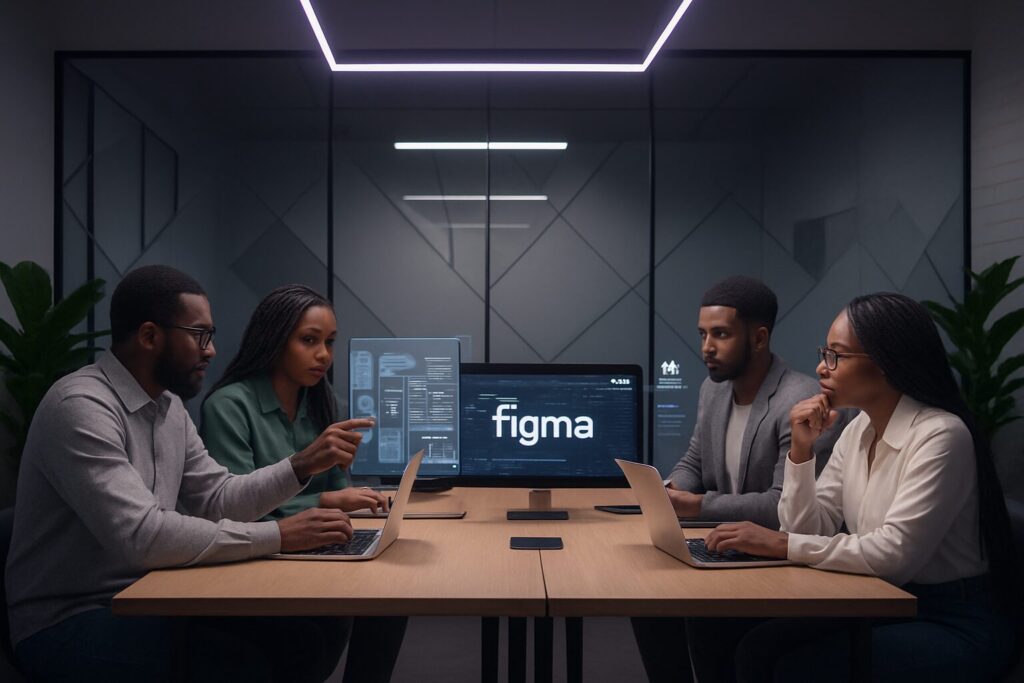
UI/UX design in Nigeria is rapidly evolving, and at the heart of this transformation is technology. With advancements like Artificial Intelligence, 5G internet, and smart design tools, the way digital experiences are created and delivered is fast changing.
Designers today aren’t just crafting nice-looking screens; they’re building smart, responsive systems that actually learn from users and adapt in real time. AI is making this possible, helping to create experiences that feel more personal and intuitive.
Take fintech apps, for example. Many now use AI to analyze spending habits and suggest smart budgeting tips, turning financial tools into personal advisors.
In healthtech, platforms are using similar tech to send thoughtful care reminders or emotional check-ins, making the experience feel more human and less robotic.
Faster internet, especially with the rise of 5G across Nigeria, is also a game-changer. It allows for richer visuals, smooth animations, and real-time features that used to cause frustrating delays; now they work seamlessly, creating designs that are both beautiful and functional.
With these tools in hand, Nigerian designers are stepping into a future where tech isn’t just part of the process; it is the powerhouse of a whole new way of thinking about user experience.
More Opportunities for New Designers
The rise in digital products is opening more doors than ever for aspiring UI/UX designers in Nigeria. Whether you’re just starting or thinking of switching careers, there’s no better time to dive in.
Startups are searching for fresh ideas, established companies are updating their user experiences, and global brands are turning to African talent for design expertise.
If you’re new to the field, this is your window of opportunity. Learning tools like Figma, Adobe XD, or Sketch, along with soft skills like empathy, communication, and creative thinking, will make you stand out.
You don’t need a tech degree to get started. What counts most is your ability to understand users and solve problems in a smart, human way.
Skills Needed to Stay Ahead
As the industry expands, so does the competition. To stand out, Nigerian designers need more than just basic skills; they need a strong blend of technical know-how and user-centered thinking.
Mastering areas like responsive design, design systems, and usability testing can give them an edge. However, technical skills alone aren’t enough.
Truly impactful designers take time to understand their users. Nigerian users interact with apps differently from people in the US or Europe, so adapting your designs to local needs and habits isn’t just smart but essential to staying relevant.
Challenges Slowing Down UI/UX Growth in Nigeria
The journey of UI/UX design in Nigeria is not smooth. Limited internet access, scarce design education, and low awareness of UI/UX in some sectors still pose real challenges.
Many small businesses continue to view design as a luxury rather than a valuable investment. But that mindset is shifting.
As more success stories surface, business owners are beginning to see the power of good design. For designers, this creates a unique opportunity, not just to design, but to educate, advocate, and prove just how much impact thoughtful design can make.
Conclusion
In summary, UI/UX design in Nigeria is no longer in its early days. It is moving forward quickly, powered by technology, creativity, and a growing digital economy. Whether you are a student exploring career paths or a professional considering a switch, this is a field filled with possibilities. So, the next time you enjoy a seamless app experience, remember there’s a designer behind that ease. To learn more, check out our blog on the Top Tool for UI/UX Designers.



Leave a Comment