



Does Techverve Have Physical Classes?

5 minutes read
Techverve, is a e-learning platform, has been gaining attention for its innovative approach to tech education. But does it offer physical classes, or is it strictly digital? In this detailed blog post, we’ll dive deep into what Techverve is, its course offerings, the modes of delivery, and specifically address whether physical classes are part of their ecosystem. We’ll explore the benefits, structure, and how it all ties into their mission of making tech learning accessible and practical.
Techverve also offers certification upon completion, which can be a valuable addition to resumes. The platform’s video-based lessons are flexible, allowing self-paced learning, but what sets it apart is the integration of live tutor support and mentorship.
Online Classes: The Core of Techverve’s Model
At its heart, Techverve is an online learning platform, optimized for remote access. Online classes feature high-quality video lessons that learners can access anytime, anywhere. These are supplemented by interactive elements like quizzes, forums, and direct video calls with tutors for clarification on complex topics.
The online mode is ideal for busy professionals or those in remote areas. Lifetime access means you can revisit materials as needed, and the platform’s AI-driven tools (like progress trackers) help personalize the experience. However, Techverve recognizes that not everyone thrives in a purely digital environment, which brings us to the question of physical classes.
Does Techverve Offer Physical Classes?
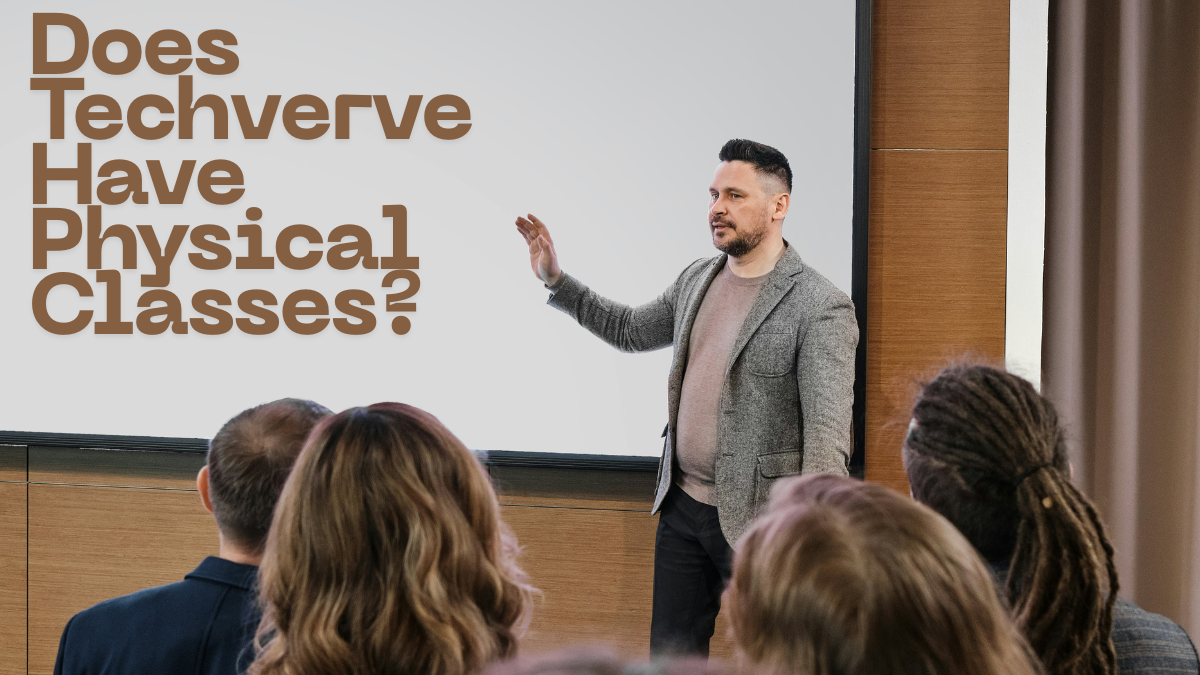
The short answer is yes. Techverve does provide physical classes as an option alongside its online offerings. This hybrid model allows students to choose the learning mode that best suits their needs, whether it’s the convenience of online or the immersive experience of in-person sessions. Physical classes are designed for those who prefer face-to-face interaction, collaborative group work, and hands-on lab activities.
Structure of Physical Classes
Physical classes at Techverve emphasize practical, interactive learning. Unlike the self-paced online videos, these sessions involve:
- Face-to-Face Mentorship: Instructors provide real-time guidance, answering questions on the spot and offering personalized feedback.
- Group Projects and Collaboration: Students work in teams on tech projects, fostering skills like teamwork and problem-solving, essential in professional settings.
- Hands-On Labs: Access to physical resources, such as computers, software tools, and even hardware for courses like cybersecurity or app development.
This allows for experiments that might be harder to replicate online, like network simulations or UI prototyping with physical devices.
Sessions are typically scheduled in batches, with durations varying by course (e.g., 4-12 weeks depending on the topic). Class sizes are kept small to ensure individual attention, and they often include breaks for discussions or networking.
Locations for Physical Classes
As a Nigeria-based platform under Nanocodes, physical classes are primarily held in key locations within the country. Enugu, Nigeria, is a prominent hub for these in-person sessions, where Nanocodes operates physical tech classes.
This aligns with Techverve’s goal of promoting tech education in underserved areas of Africa. While exact addresses aren’t always publicly listed (to manage enrollment), interested students can inquire via the platform’s registration page or contact form. Expansion to other Nigerian cities or even international locations could be on the horizon, given the platform’s growth trajectory.
Cost and Enrollment
Physical classes may incur slightly higher fees than purely online ones due to venue and resource costs, but Techverve keeps them affordable. Enrollment is straightforward: Register on the Techverve platform, select your course, and choose the “physical” mode if available in your area. Slots are limited, so early registration is recommended. Payment plans or scholarships might be available for eligible students, emphasizing the platform’s commitment to accessibility.

Benefits of Choosing Physical Classes at Techverve
Opting for in-person learning at Techverve offers several advantages:
- Enhanced Engagement: Direct interaction reduces the isolation often felt in online learning, leading to higher completion rates.
- Networking Opportunities: Meet peers, instructors, and potential employers in a real-world setting, building connections that can lead to collaborations or job referrals.
- Practical Skill Building: Hands-on labs allow for immediate application of concepts, such as coding on shared systems or testing designs with group feedback.
- Motivation and Accountability: Scheduled classes create structure, helping learners stay committed.
However, physical classes require travel and adherence to timetables, so they’re best for those near a location like Enugu.
Mentorship: A Key Feature Tied to Both Modes
One of Techverve’s standout elements is its lifetime mentorship program, integrated seamlessly with both online and physical classes. Mentors, experienced tech professionals, offer one-on-one support via chat, video calls, or in-person during physical sessions. This includes help with tough topics, resume reviews, interview prep, and even guidance on real-world projects.
For physical class attendees, mentorship often extends to on-site office hours or group sessions. Learners can also become mentors themselves after completing courses, creating a cycle of knowledge sharing. This feature underscores Techverve’s focus on long-term success, not just course completion.
Potential Drawbacks and Considerations
While Techverve’s physical classes are a strong addition, they’re not available everywhere, currently centered in Nigeria, which might limit access for international students. Availability depends on demand and batch schedules, so not every course may have an in-person option at all times. If you’re outside Nigeria, online remains the primary choice, though the platform’s global accessibility via video makes it viable.
Additionally, as a relatively new platform (launched in late 2024), Techverve is still expanding. User reviews highlight the interactive nature but note that physical slots fill up quickly.


Leave a Comment